
NAVAL
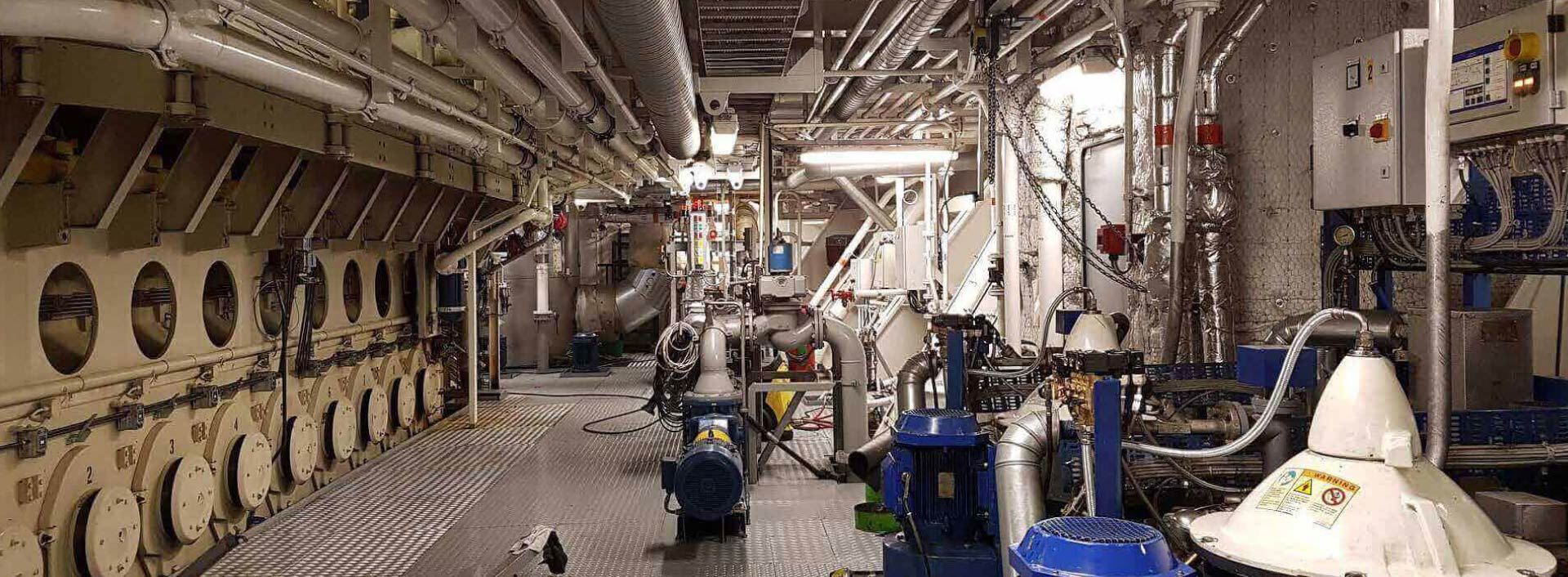
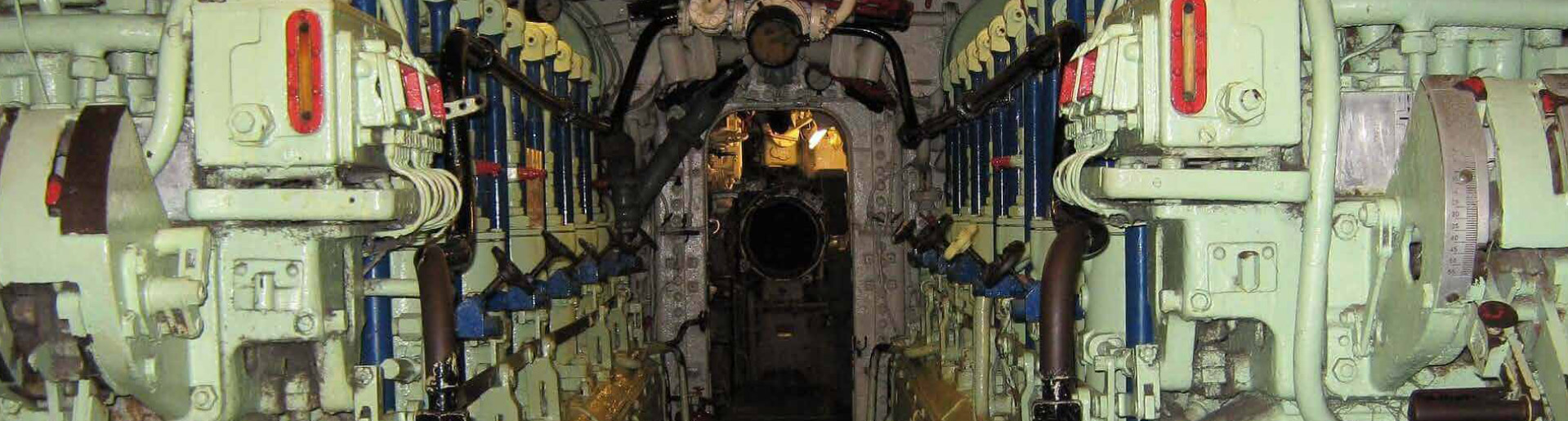
SigniFire solutions are compatible with naval installations. Fire can spread quickly due to the presence of many flammable elements. SigniFire has already proven its worth; it has already been used to protect machinery rooms essential to the operation of the ship. The entire surveillance center can easily be connected to the ship’s control room. Video surveillance also allows checking whether the fire is caused by human error or not.
Difficult environment
Ships are generally places where there are few fire detection options due to the challenging environment they represent. The SigniFire technology is suited for high-heat environments, such as the engine room, as it is capable of detecting oil mist as well as flames and smoke.
Why video detection of flame and smoke?
Video detection of flame and smoke has several advantages over traditional detection:
- Early detection: The cameras see the fire at its source and therefore manage to detect it. Earlier than conventional detectors. These require that the smoke reach their sensors.
- Immediate information on the situation: It is a network camera; the images can be viewed in real time in a remote monitoring center. Alarm verification is immediate and reliable.
- Less equipment to install: Each SigniFire camera covers a large area, which translates into a savings in sensors. The goal is one reduction of installation and maintenance costs.
How does SigniFire work?
The video analysis software uses artificial intelligence:
- Analysis of images of 640x480 pixels at a rate of 15 images per second.
- 4.5 million data points analyzed by the camera's Texas Instruments DSP processor.
- The software uses temporal patterns and DSP filters and compares the results with a neural network based on 15,000 fire simulation models.
- The alarms are routed via dry contacts and/or via Ethernet.
What fire protection systems have traditionally been used in the naval sector?
- Sprinklers: Sprinklers are triggered by an increase in temperature. They are designed to save the building’s foundations and not its contents.
- Linear heat detector: Linear heat detectors can be used upstream of the sprinklers. They are triggered at an increase in temperature, not at an early stage.
- BEAM detector: The beams are placed at the ceiling level and can causing false positives. These
are caused by an obstruction of the beam (objects, thick dust...).
- “Spot” detector: They are usually placed high up to capture the ionization, which delays the detection of smoke.
- Suction system (ASD): ASD systems have one major disadvantage in dusty environments. The sensors are clogged, which impairs detection and increases the number of maintenance operations.
Applications
The SigniFire technology is suitable for the following environments:
• Mooring pontoons
• Machine rooms
• Overpasses
• Marine platforms
• Overpasses
Certifications
• FM certification
• UL NFPA72
• Safety for the Sea
• EIAPP