
NUCLEAR
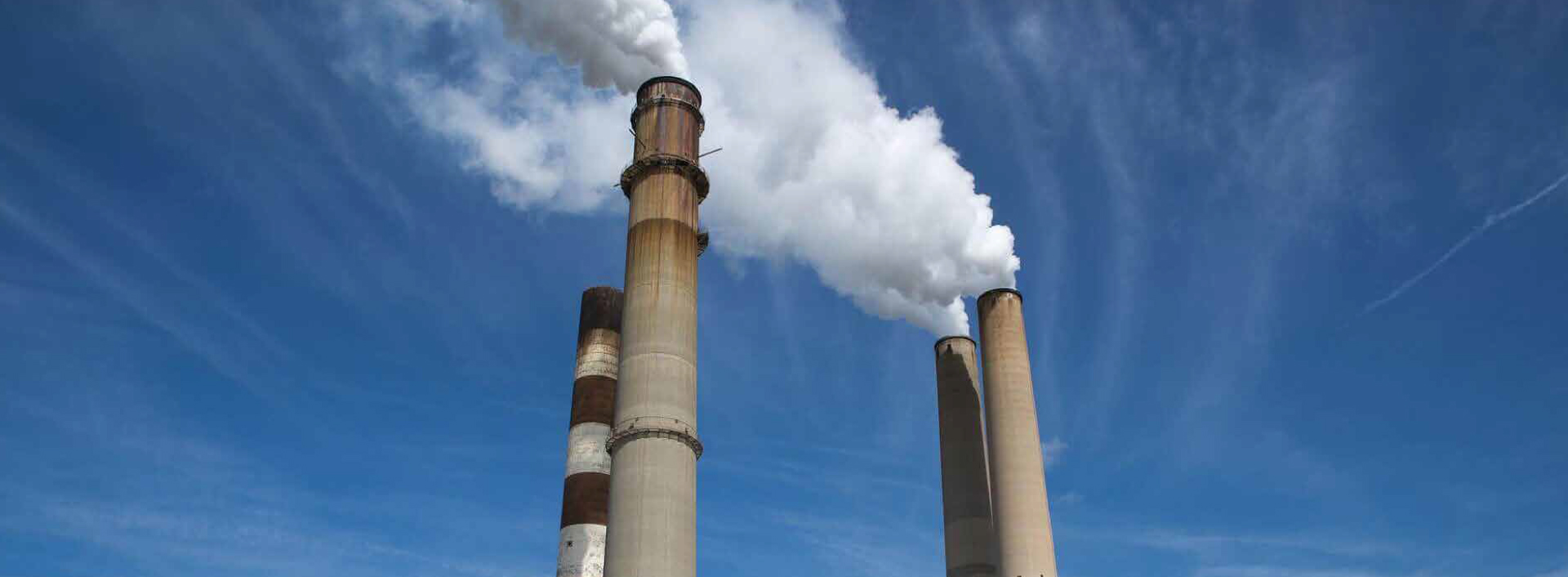
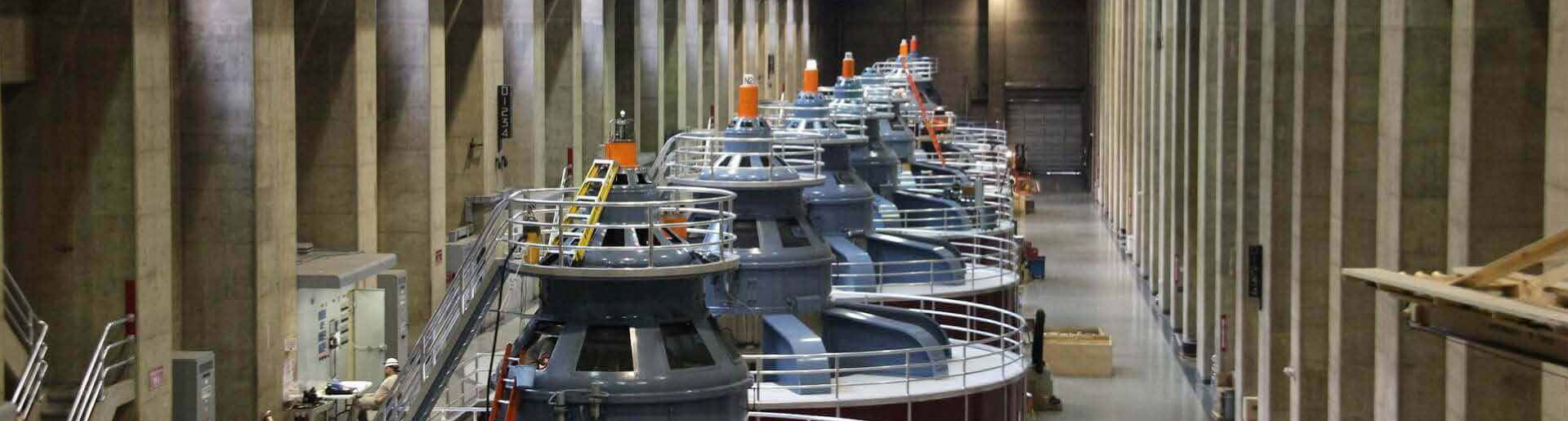
Fire detection is of paramount importance in thermal, hydroelectric and nuclear power plants, where fires are mainly caused by rotating or electrical equipment. To minimize potential losses, it is essential to have a reliable early detection system such as SigniFire. By choosing SigniFire, you avoid the high costs and long periods of downtime of the production site. Many facilities, such as turbine rooms, compression stations and nuclear fuel pools, have already chosen to install SigniFire to strengthen their fire safety.
Difficult environment
Power plants, due to their size, require increased vigilance against fires that could occur due to overheating or leaks of lubrication fluid from the machines. Thanks to the advanced detection technology from SigniFire, fires are quickly identified as soon as smoke appears, which significantly reduces material and financial losses. SigniFire also offers solutions suitable for environments with high temperatures or high radiation, and its installation can be managed remotely, eliminating the need for human intervention in difficult-to-access areas.
Why video detection of flame and smoke?
Video detection of flame and smoke has many advantages compared to traditional detection methods in the nuclear field:
- Early detection: The cameras are capable of detecting fires at their source, thus offering faster detection than conventional detectors that require the smoke to reach their sensors.
- Real-time information: Thanks to network cameras, the images can be viewed live in a remote monitoring center, allowing for an immediate assessment of the situation. Alarm verification is immediate and reliable..
- Simplified installation: Each SigniFire camera covers a large area, which reduces the number of sensors needed. This translates into savings on installation and maintenance costs.
By opting for camera fire detection in the nuclear field, you benefit from early detection, immediate assessment of the situation, and reduced costs associated with installation and maintenance. SigniFire cameras are specifically designed to meet the demanding security requirements of nuclear facilities.
Cost of a burned turbine
Although the probability of fires in nuclear power plants is low, the damage caused can exceed 30 million euros, leading to power outages that can last for more than 6 months and financial losses of 4 to 6 million euros. In some cases, the shutdown of the power plants has been inevitable.
According to a study by EPRI, a nuclear power plant with a lifespan of 30 years will experience an average fire every 200 years, which means that one of the installed turbines is likely to be affected by a fire (probability of 0.5%).
To prevent these costly and dangerous situations, it is crucial to implement an effective fire detection system in the nuclear field. Fire detection cameras offer a reliable and preventive solution for quickly detecting signs of fire and smoke, enabling immediate intervention and limiting damage.
By opting for a fire detection camera specifically designed for the nuclear sector, you strengthen the security of your facilities, minimize financial risks, and reduce periods of power outages. Protect your nuclear power plant by investing in advanced fire detection technology.
How does SigniFire work?
The video analysis software uses artificial intelligence:
- Analysis of images of 640x480 pixels at a rate of 15 images per second.
- 4.5 million data points analyzed by the camera's Texas Instruments DSP processor.
- The software uses temporal patterns and DSP filters and compares the results with a neural network based on 15,000 fire simulation models.
- The alarms are routed via dry contacts and/or via Ethernet.
What fire protection systems have traditionally been used in the energy sector?
- Sprinklers: Sprinklers are activated by an increase in temperature, but they are mainly designed for protecting the foundations of buildings rather than their contents.
- Linear heat detector: Linear heat detectors can be used in addition to sprinklers. However, they are only triggered when there is a significant rise in temperature, which can be dangerous. delaying early detection of fires.
- BEAM detector: BEAM detectors use beams placed at the ceiling, but they can cause interference. False positives in the event of obstruction of the beam by objects or the presence of thick dust.
- Suction system (ASD): ASD systems are affected by dusty environments, as the sensors can become blocked, leading to incorrect detection and frequent maintenance needs.
For reliable and early fire detection in the nuclear field, it is recommended to consider the use of fire detection cameras. Fire detection cameras provide direct vision of fire and smoke, allowing for quick and accurate detection without the limitations of other methods. By integrating fire detection cameras into your security system, you significantly improve fire prevention in your nuclear facility.
Applications
The SigniFire technology is suitable for the following environments:
• Turbine halls
• Battery rooms
• Machine rooms
• Nuclear fuel pools
• Compression stations
• Transformers and equipment